Should You Give Your Employees Smartphones Instead of Laptops?

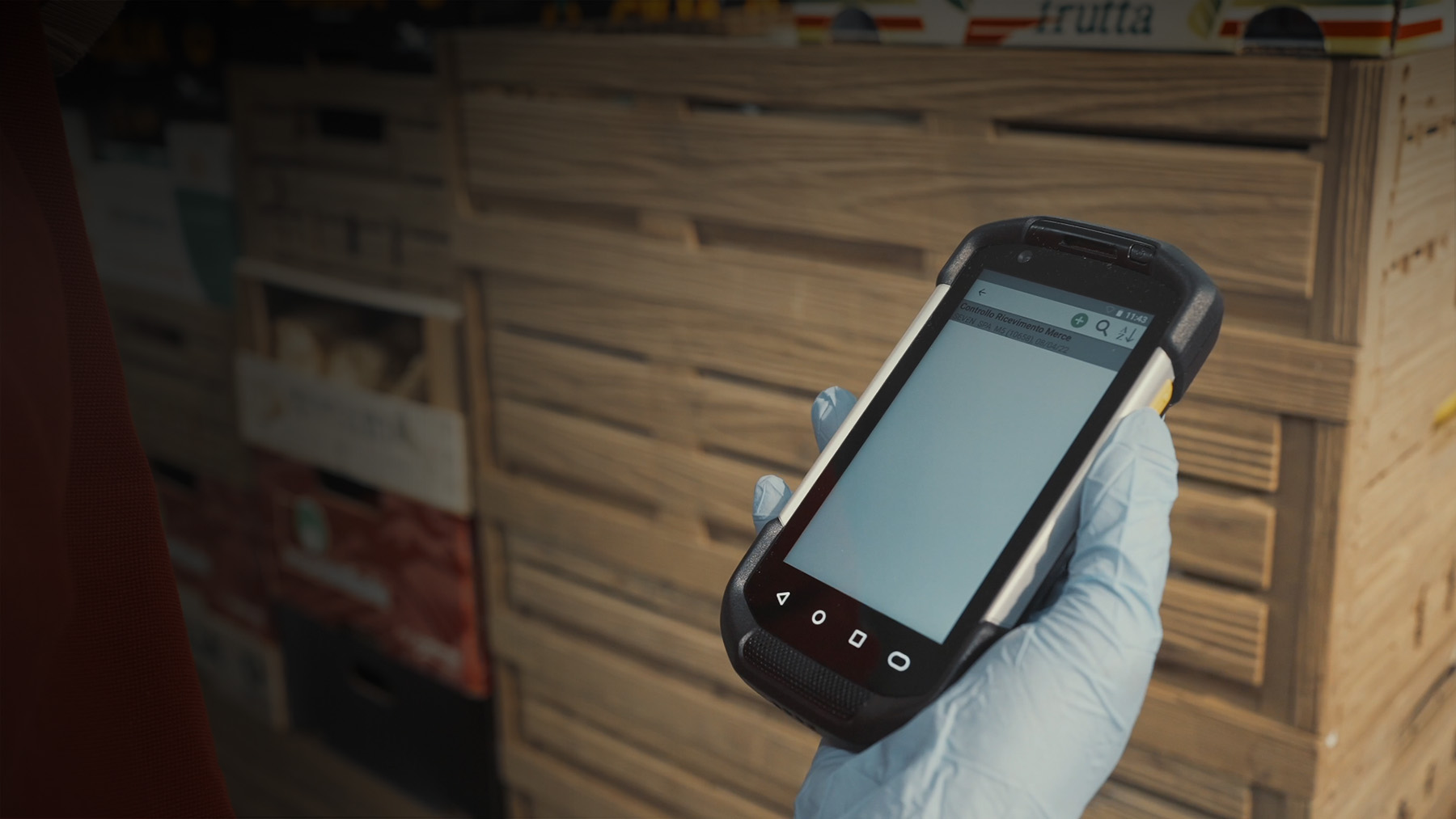
Laptops have been the preferred mobile device for businesses for a long time. For many companies, laptops with wireless connectivity replaced desktop computers entirely, giving their employees the ability to work almost anywhere.

A popular financial newsletter is circulating a sales letter extolling the virtues, and profit potential for investors, of the “$59 computer.” It costs $4000 to subscribe to that investment newsletter, but you don’t need to pay out that kind of money to find out what the writer is pitching. It is obvious from the copy that the writer is talking about smartphones.

“We swapped their laptops for smartphones. The field guys love them. And we saved a pile of money on laptops,” a manager boasted recently on a technology blog.

Despite the recession, Smartphone sales grew during Q3 2009, up over 12% from Q3 2008. Gartner, one of the research firms that track technology, is bullish on Smartphones. Their researchers predict that these phones are now headed for mainstream use. Jones, Nick. (2009, November 12). Winners and losers in our q3 numbers. Gartner Blog Network, 2009, Retrieved from http://blogs.gartner.com/nick_jones/2009/11/12/winners-and-losers-in-our-q3-numbers/

As the technology leader for a company that develops business Smartphone applications, it’s my job to project trends. I want to anticipate the applications our customers want before they want them.

So, I study the market closely. The introduction of the iPhone raised the bar on looks, features and function. Now, every quarter brings a new crop of incredibly powerful mobile devices using multiple operating systems and fiercer competition by phone carriers. Just last month, Verizon launched two cheeky campaigns to woo AT&T’s customers – “There’s a map for that” (3G network comparison) and “iPhone doesn’t . . . Droid does” (phone feature comparison.)

Almost every company I know is trying out Smartphones for some part of their mobile workforce. Many of the implementations have been very successful.

Will Smartphones replace laptops entirely? My answer is no, and here is why:

Fat Fingers and Loud Voices

To build a phone that is compact and light, manufacturers have shrunk the screen and keyboard. Having to continually scroll to read on a phone screen or type text on miniature keys with normal adult-sized thumbs can cause productivity to plummet. A Smartphone just doesn’t function as well as a laptop for creating or consuming content like graphics, spreadsheets and large reports or documents.

Power users who continually send text and email are likely to develop an injury. Repetitive stress injuries related to using your thumbs to type on a Smartphone keyboard (“Blackberry or Treo thumb”) are already becoming commonplace in doctors’ offices. In the most serious cases, thumb tendonitis can develop into arthritis causing hand pain, swelling, decreased strength and limited range of motion.

Recent improvements in speech recognition have made “talking to your phone” easy and relatively accurate. Interacting with the phone by voice can avoid the thumb injury problem. But, in an open space office, employees all talking to themselves out loud would turn the company into the Tower of Babel.

For occasional use, for brief tasks that don’t involve much data input, Smartphones are ideal. But they cannot replace a laptop with a full size keyboard for office tasks.

The Incredible Exploding Battery

 Lithium ion cell phone batteries pack an incredible amount of power in a tiny package. Unfortunately, they are sensitive to heat, pressure and overcharging. After reports of incidents of overheating batteries causing injuries from fire and explosion in 2004 and 2005, the US Consumer Products Safety Commission (USCPSC) ordered a huge recall of cell phone batteries. The USCPSC worked with the wireless industry to develop standards for battery design and performance. They also authorized labs to test that batteries met these standards and certify compliance.

The amount of battery energy contained in a given device is currently limited by size and weight. Even if some new technology provided ten times the energy in the same size and weight, it might not be wise to include it in a personal device, since a battery failure could be lethal or cause severe damage. No one wants a phone to explode like a grenade (even if the work is saved to the cloud.)

A better solution is newer, more energy efficient electronic circuitry, such as optical technology replacing the current silicon technology. This new technology is still in R & D. It will be several years before it can be implemented.

To fill the gap right now, wireless carriers are offering netbooks with connectivity built-in. Most netbooks are about the size of a trade paperback – easy to carry, better productivity, better ergonomics.

Brains on Microwave 

Your cell phone uses frequency ranges similar to your microwave oven, although at much lower power. The new study from the Environmental Working Group indicates that a long term (over 10 years) cell phone user may be at risk of brain or salivary gland tumors. Environmental Working Group. (2009). Cell phone radiation – science review on cancer risks and children’s health (Adobe PDF), Retrieved from http://www.ewg.org/cellphoneradiation/fullreport

The difference between a Smartphone and a laptop with connectivity is that the transmitter antenna in the phone is very close to your head, while the laptop antenna is further away from your body. For workers in sales, field service or other phone intensive jobs, a laptop or netbook with a service like Skype may be healthier and more productive because they can use CRM or other business applications while they talk to the customer.

Smartphones will continue to evolve and grow in importance as more consumer and business apps are developed for them. Here at Aton International, Inc., we enjoy working with Smartphones and building apps for them. But, we’re keeping our laptops for now.

Apple’s just announced new device, the iPad, may jolt new life into the languisihing tablet pc marketplace. It is too soon to tell if “tablets” or “slates” or other electronic devices that mimic the tried and true pad of paper will convince us all to start using “electronic pens and pads” for day to day work.

This article was originally published as Will Smartphones Replace Laptops? in MaaS360 Magazine, First Quarter 2010 www.maas360.com

With 20+ years as a top software and firmware developer, Charles Wilde has acquired a combination of proven business smarts, mobile development skills and device engineering expertise that is hard to match. Charles is available to consult with you and your team about native code development in Android, Windows Mobile or Windows CE. Wilde is author of the e-book, Porting Native Code to Android. He can be reached at AtonMail ( at ) aton.com. © 2010 Aton International, Inc.


Related posts

coded by nessus

Comments RSS    Trackback URL

No Comments

No comments yet.

Sorry, the comment form is closed at this time.